The first few weeks of Reception are full of big changes. There is a new classroom, a new teacher, new friends, a longer day and lots of new routines. Some children bound in from day one, while others need a little more time. Both are completely normal. This guide explains what to expect in the first term and practical ways parents can help their child settle happily into school life.
What to Expect in the First Weeks of Reception
A gradual start
Many schools use a staggered start, with shorter days or smaller groups for the first week or two. This helps children get to know their teacher and the classroom before the full timetable begins.
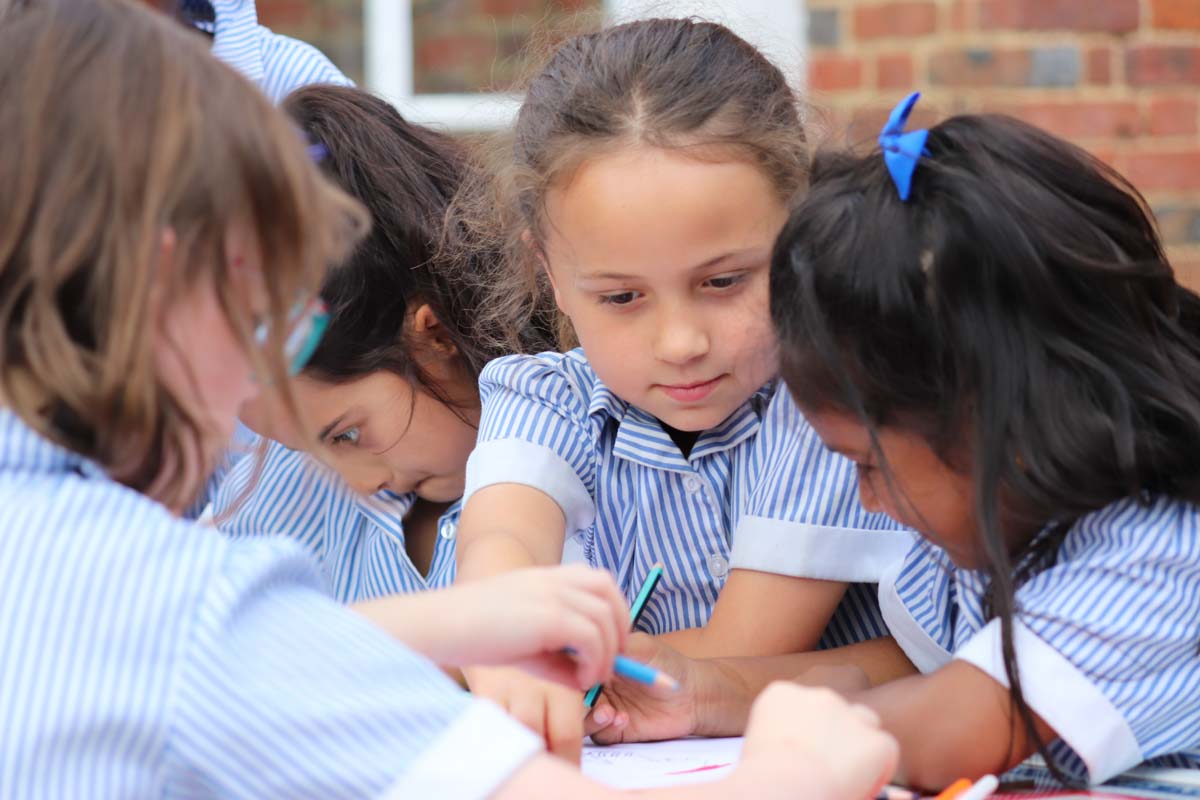
Lots of play-based learning
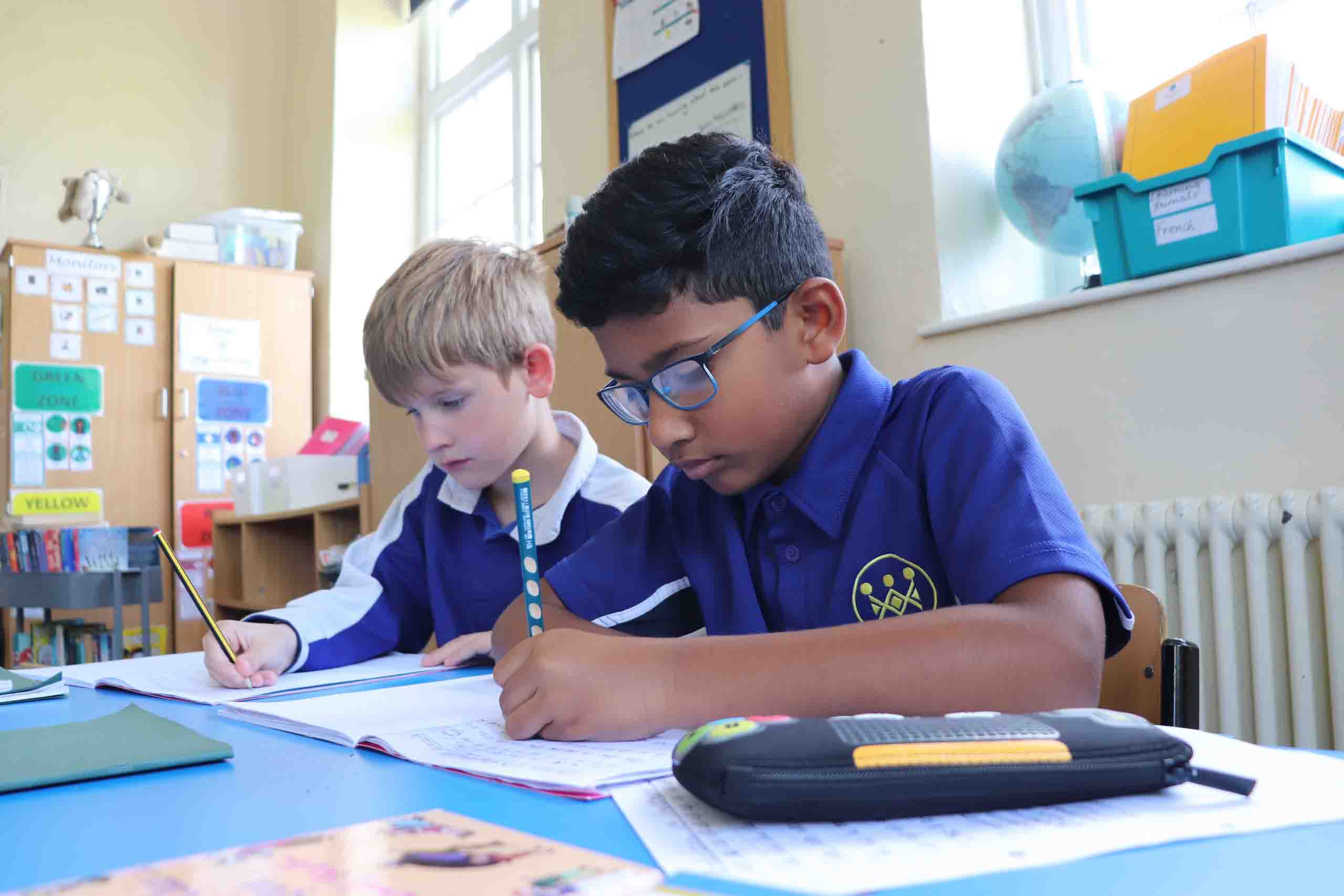
Reception is the final year of the Early Years Foundation Stage (EYFS), so children still learn a great deal through play. Alongside this, they begin short daily sessions of phonics and early maths.
Tiredness
Even children used to nursery or pre-school can find Reception exhausting at first. Expect early bedtimes, some grumpiness and perhaps a few tears at the end of the day. This usually eases after the first half term.
How to Help Your Child Settle into Reception
Keep mornings calm
Lay out uniform and pack bags the night before. Leave plenty of time so you are not rushing. A calm start helps children feel ready.
Make goodbyes short and positive
A quick hug, a smile and a confident “See you later!” is kinder than a long goodbye. If your child is upset, trust the teacher to comfort them. Most children settle within minutes.
Stick to routines at home
Regular mealtimes and bedtimes help children feel secure while so much else is new. Try to keep after-school plans simple during the first few weeks.
Talk, but do not push
Instead of “What did you do today?”, try specific questions such as “Who did you sit with at lunch?” or “What story did you hear?” Many children share more at bedtime or in the car than straight after school.
Help friendships grow
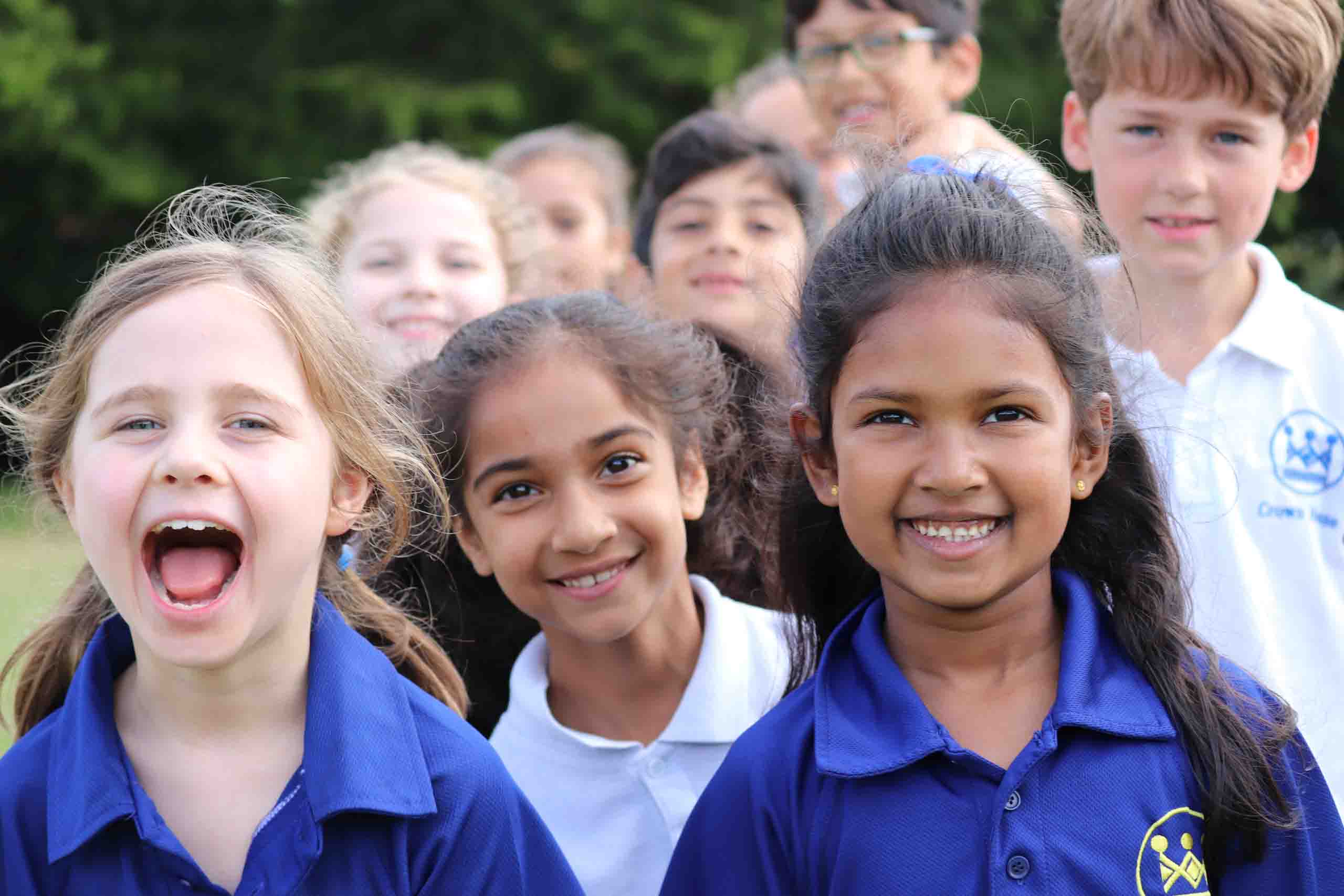
Ask your child about the children they play with, and consider inviting a classmate for a play date. A familiar friend can make a big difference.
Celebrate small wins
Notice and praise effort and independence, such as putting their coat on, trying a new lunch or telling the teacher they needed help.
Supporting Learning at Home in Reception
You do not need to do formal work at home. Instead:
- read together every day and look at the books sent home
- practise the sounds your child is learning in phonics
- count, sort and spot numbers in everyday life. See our guide to early maths at home for ideas
- encourage drawing, colouring and playdough to strengthen little hands
When to Talk to the Teacher
Speak to your child’s teacher if:
- your child is still very upset at drop-off after several weeks
- they seem worried, withdrawn or reluctant to go to school
- something has changed at home, such as a new baby, a move or an illness in the family
- you have questions about their progress
Teachers want to know, and small worries are easiest to solve early.
The Benefit of a Smooth Transition
Children who move into Reception from a pre-school on the same site often settle especially quickly, because they already know the buildings, routines and staff. If your child is joining from a different setting, visits and taster sessions before September help to make school feel familiar.
Starting Reception at Crown House
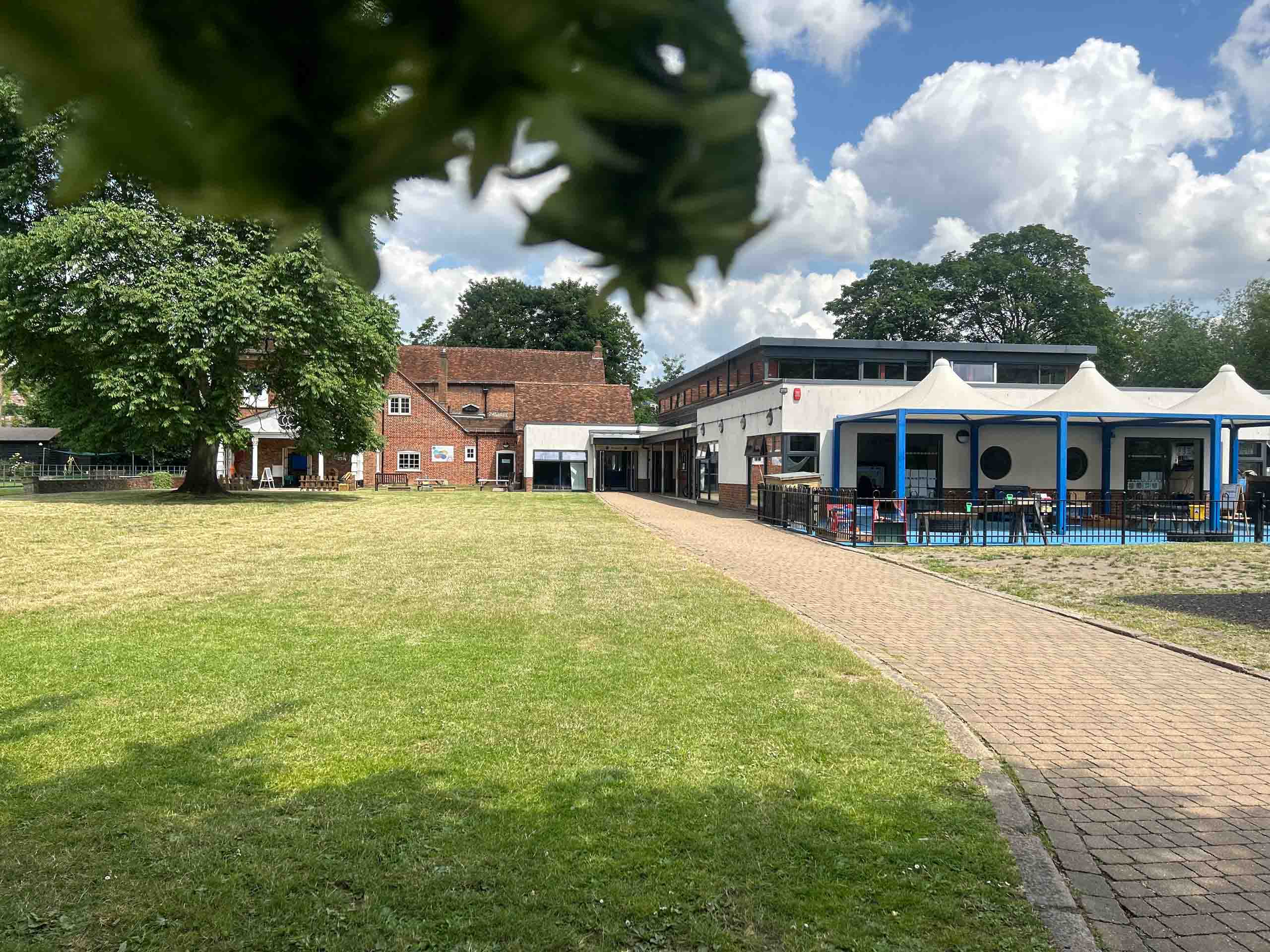
At Crown House Preparatory School in High Wycombe, we run a transition programme from our pre-school into Reception, so children move up with confidence. Children joining from other settings spend a full day with us beforehand, planned around their interests, so their first experience of the school is positive and fulfilling.
Our small Reception classes allow teachers to get to know each child quickly and tailor learning to them. Children build skills in phonics, writing, number and fine motor control, and enjoy specialist lessons in Forest School, drama, music and PE. Read more in why specialist teaching matters in the early years.
Frequently Asked Questions
Most children settle within the first half term, although some take a little longer. A calm routine and close contact with the teacher help.
Yes. Starting school is tiring. Early bedtimes and quiet afternoons help during the first weeks.
Keep goodbyes short and positive, hand your child to the teacher and leave confidently. Most children stop crying soon after their parent leaves.
No. Reading is taught in Reception through phonics. Sharing stories at home is the best preparation.