In Buckinghamshire, the 11 plus can loom large. Conversations at the school gate turn to tutors, practice papers and scores, and it is easy for both parents and children to feel anxious. Yet the children who do best are usually those who feel calm, confident and well supported. This guide explains how to prepare your child for the Buckinghamshire Secondary Transfer Test in a balanced way that protects their wellbeing and their love of learning.
Why Pressure Does Not Help
A little nervousness before a test is normal. But sustained pressure can backfire. Anxious children may sleep badly, lose confidence and struggle to think clearly under exam conditions. Worse, they can come to see learning as something to fear rather than enjoy. A calm, steady approach helps children perform at their best and keeps their curiosity alive, whatever the outcome.
Start with Strong Foundations, Not Test Papers
The best preparation for the 11 plus begins years before Year 5, through everyday learning:
- Reading widely builds vocabulary and comprehension, which are central to the verbal paper
- Talking about books and ideas develops reasoning and confidence in expressing thoughts
- Confident number skills support the maths paper. See our guide to early maths at home
- Puzzles, games and building toys develop the spatial and pattern skills tested in non-verbal reasoning
Children with strong foundations need far less intensive practice later.
A Sensible Preparation Timeline
Years 3 and 4
Focus on reading for pleasure, times tables, mental maths and games that build logic. Keep it fun.
Year 5
Introduce the question types in short, regular sessions, especially verbal and non-verbal reasoning, which may not be taught directly in class. Register your child for the test during the summer term if they attend an independent school.
Summer before Year 6
Some light practice under timed conditions helps children get used to the format. Balance it with plenty of rest, play and time outdoors.
September of Year 6
Keep the week of the test calm and normal. Focus on sleep, breakfast and reassurance.
Practical Tips for Parents
Keep practice short and regular
Twenty minutes a few times a week is more effective, and far less stressful, than long weekend sessions.
Praise effort, not scores
Celebrate hard work, persistence and improvement. This builds resilience and keeps motivation high.
Watch your own language
Children notice when adults are anxious. Avoid talking about the test as life-changing, and avoid comparing your child with friends or siblings.
Protect downtime
Keep clubs, sport, friends and family time going. A balanced life supports concentration and wellbeing.
Talk about every route
Remind your child that there are excellent schools of every kind and that you are proud of them whatever happens. Include grammar and non-grammar schools on your application.
Signs Your Child May Be Feeling the Pressure
Look out for changes in sleep or appetite, tummy aches, tearfulness, irritability or reluctance to go to school. If you notice these, ease off, talk openly and speak to your child’s teacher.
After the Results
Whether your child qualifies or not, focus on their effort and the qualities they showed. If they do not reach the score they hoped for, reassure them that it does not define them, and that many paths lead to a happy, successful future. The selection review process may be an option for children who narrowly miss out.
For the full test details, see our guide to the Buckinghamshire 11 plus for High Wycombe parents.
The Crown House Approach to the 11 Plus
At Crown House Preparatory School in High Wycombe, around 80% of our pupils go on to local grammar schools. We recognise the importance of the Secondary Transfer Test, but our priority is that children feel well prepared, supported and confident, rather than allowing a single assessment to define their experience.
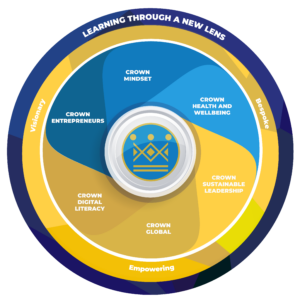
Our curriculum remains broad and academically ambitious right through Year 6, and our small classes mean teachers know every pupil’s strengths and tailor their preparation. Resilience, reflection, creativity, and kindness and tolerance are the qualities of a Crown House Learner, and they serve children well in the 11 plus and far beyond.
Frequently Asked Questions
Strong reading and maths skills throughout primary school are the best preparation. Most families introduce the question types in Year 5.
Not necessarily. Many children do well with strong everyday teaching, some familiarisation with the test format and support at home.
Keep practice short, praise effort, protect downtime, avoid comparisons and remind your child that you are proud of them whatever the result.
There are excellent non-selective and independent schools, and children who narrowly miss the qualifying score may be considered through the selection review process.